
Growing In Harmony With Life
Spring has a particular energy to it. The birds are back, the flowers are pushing through, and there is something about a sunny day in April that makes strangers smile at one another on the street. It feels like the world is coming back to life. Probably because it is.
There is a reason so many of us feel a pull toward change this time of year. I’ve said before that I think living in the seasons makes for better growth than making New Year's resolutions in the dead of winter.
In the Spring, the energy is there to grow. We want to move, to clear things out, to start something fresh and new. Our bodies know the season of growth is here before our mind catches up.
In my field, we talk a lot about self-improvement. My book, Thriving in Chaos: How to Have Hope and Purpose in a World of Constant Change, is in the self-improvement category, but the word ‘improvement’ itself has always given me pause.
Improvement Does Not Mean We Need ‘Fixing’
Improvement implies that what exists right now is insufficient. That you are a problem to be corrected. I do not believe that, and I do not think it is a useful way to approach the work I do with my clients, my students or my readers.
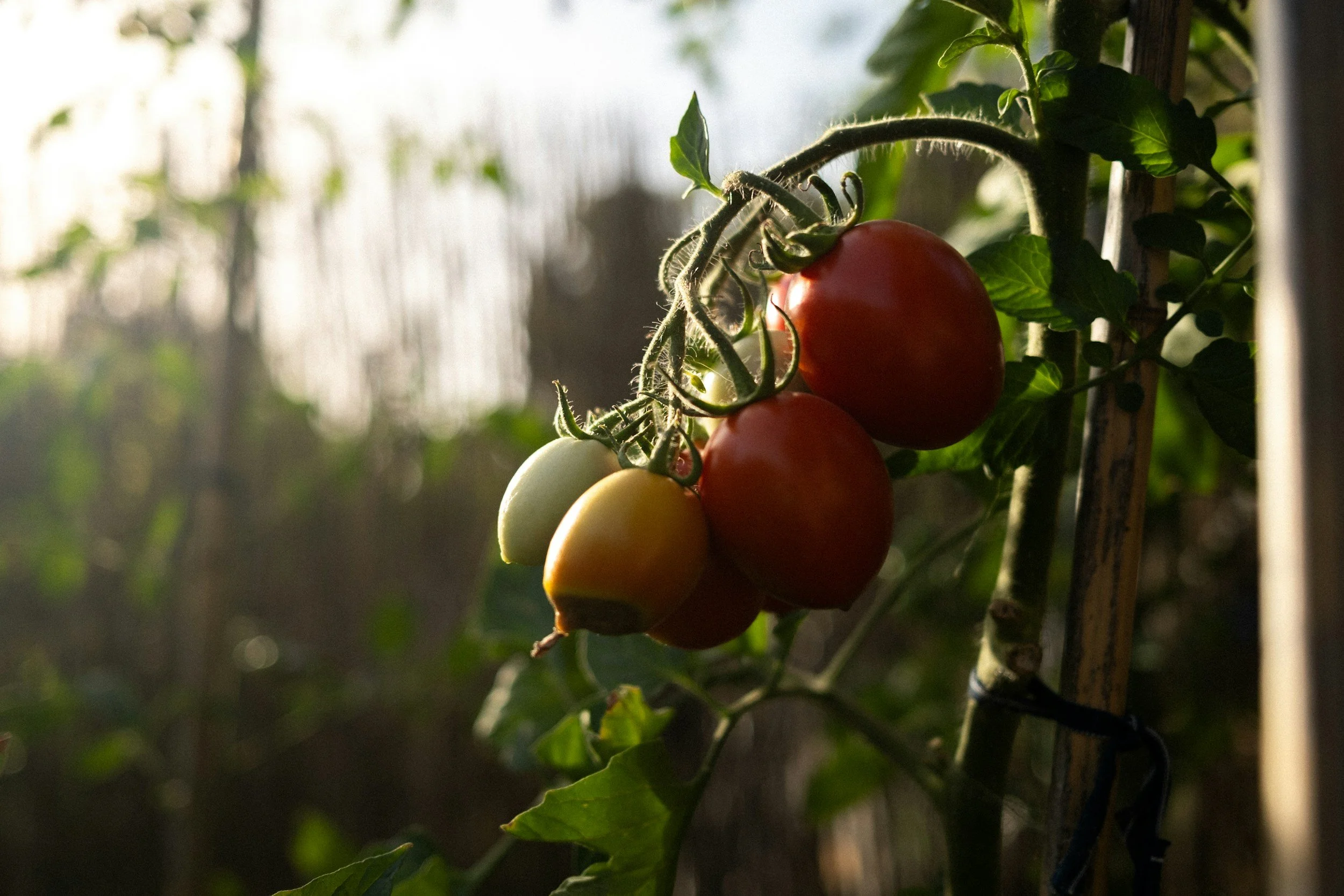
Think about a vining tomato plant. If you give it good soil, consistent water, and sunlight, it will grow. But without a trellis, without something to grow along, the vine falls over under its own weight. It sprawls sideways and does not produce what it was always capable of producing.
Nothing went wrong with the plant; it grew as it should, and there was no deficiency to fix. There was a structure missing. That is what I believe the inner work is for, for building resilience so that situations that would have bowed you over no longer have the power over your life.
With that in mind, what better place to look at growth than the garden?
Noticing What’s There
Pre-contemplation: You may realize something needs to change, or you can see that it might be good for you someday, but you are not quite ready.
In my book Thriving in Chaos, I write about the stages of change. When you make a decision to thrive, you need to go through each step in order to find the best chance at success.
The first step is often overlooked in life, but it’s never skipped in the garden. There is a moment when the weather feels warm enough to step outside and just take notice of the world around you. You aren’t doing anything yet, just thinking about what hasn’t been working in the garden, what plants have been missing, and what pests you were challenged by in the previous year. You are aware of changes that need to be made, but haven’t made any decisions about them yet.
This is pre-contemplation. You have not decided to do anything about it yet. You are just beginning to notice. You are taking stock.
This is where change begins: in the willingness to look at where you have come from and to think about where you would like to go. The garden does not believe that previous years are failures or something to be improved upon. They might have gone in a different direction than the one you chose for this year, but that doesn’t make anything about the previous years ‘wrong.’
Applying this to your life, is there an area of your life you have been avoiding looking at too closely? A relationship, a habit, a pattern that keeps repeating? You do not need to have answers; just noticing is the start.
“Recognizing life experiences as separate from us is the first step in transcending them. We do this by becoming a curious observer in our life.”
Planning Your Garden
Contemplation: Thinking about making a change becomes the first tangible step. You decide you want to change but may not yet know how.
This is the stage where making a change in your life feels exciting. In Thriving in Chaos, I describe contemplation as the point where thinking about making a change becomes the first tangible step.
When planning your spring garden, the seeds are not yet in the ground. There are no weeds to pull, no pests to manage, no wilting plants. There is only possibility for what this season could become.
Planning means working out which plants are compatible, what needs sun versus shade, and whether the soil is ready to support what you want to grow.
In life, this can look like taking stock of your capacity before beginning something new. Do you have a system that will sustain the changes you want to make? Maybe a child-care network, grocery delivery, or a meal prep program.
Be realistic in your planning phase when making changes or growing in your life. A garden planned but never planted is just a list.
Adding To The Garden
Preparation: You are gathering the skills, knowledge, and support you need for success. You may be taking small steps and telling people about your commitment.
Before we can add to a new garden, we need to remove old debris, and the same is true in our lives. In the garden, this is the unglamorous work that happens before a single seed goes in: the clearing, the composting, the turning of the soil. You cannot skip it and expect things to take hold.
We love to add, but there is only so much energy to go around. If you find it hard to say no, this stage is going to be difficult. We cannot grow everything. If we put too many seeds in the soil, nothing will grow.
Are there things you are currently doing that you can put down? That may also mean old injuries that are taking a lot of energy to carry, thoughts that are keeping you stuck, or relationships that drain more than they give.
“Cleaning your tools as you go gets rid of the build-up, which can interfere with what you want to do next. Old patterns we created to protect us in the moment may no longer serve us in our current situation.”
Are you carrying old stories, pains, or hurts? We need to make space for new things before we add.
Guiding Your Growth
Action: You are doing it. You have prioritized the change and are moving, taking small steps each day. It is not yet a habit, so setbacks are expected.
You don't plant a seed and expect instant results. You prepare the soil, you water consistently, and you trust that even when nothing seems to be happening above the surface, things are happening beneath it.
The action stage is the point where you have prioritized the growth you want to see and are moving, taking small steps each day. It is not yet a habit, and setbacks are expected. What matters most here is that you have something to grow along.
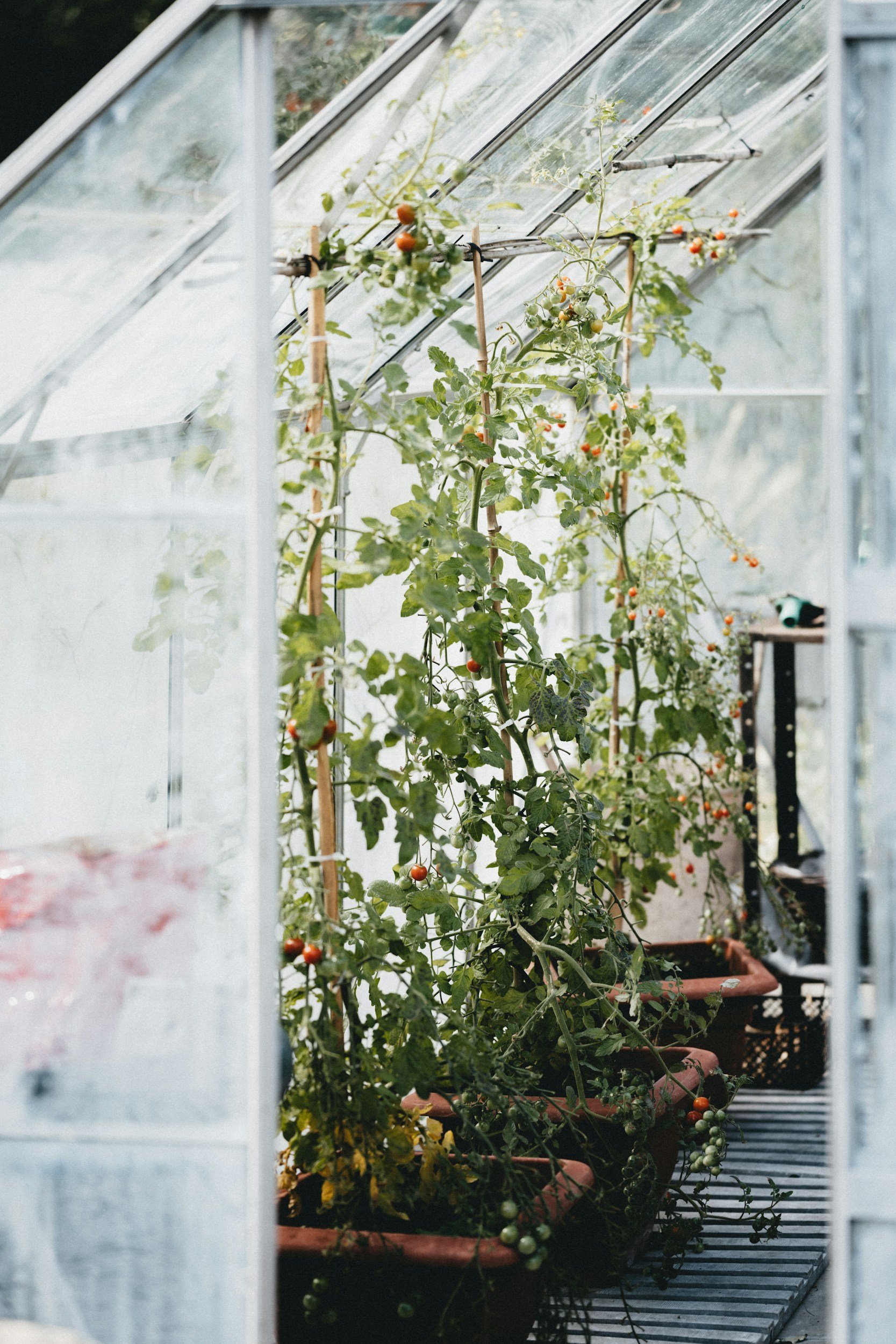
Think again about the trellis. The vining tomatoes you plant need something to support them. Even if you give them all the nutrients, sun, and water they need, without a structure to grow along, they will bow over and fail to produce.
The action stage is where we build that structure. We are not building toward something better, or doing this work because something is wrong with us. This has always been about creating the conditions in which we can grow toward what we are reaching for. In the garden, we know our plants cannot grow without the right structures in place. The trellis does not improve the tomato plant; it simply gives it something to climb.
In this phase, we keep showing up, keep tending the garden, and find the patience to wait for the fruits of our labour to grow.
Our mindset is the trellis guiding the growth in our lives.
Persisting In Hard Times
Maintenance: The habit has been forged. The change is now part of your routine, though you need to watch for triggers that could pull you back into old patterns.
If you, or your plants, are not thriving, we don’t just give up. I think this phase is where ‘self-improvement’ really gets its name from. We make adjustments, amend the soil, and water more or less consistently.
In Thriving in Chaos, I describe maintenance as the stage where we continually recommit, because tending a garden, like tending a life, is not a one-time effort. We will face challenges and learn from each one. And we will make decisions to grow as we move toward the next chapter.
Failure is part of the ecosystem. Some seeds won’t sprout. Some plants will struggle. But each attempt at growing and healing teaches you something. Over time, those lessons compound, and what once felt difficult becomes second nature, so to speak.
Patience is essential because growth isn’t always visible day to day, but beneath the surface, roots are forming. The same is true for learning new skills or building resilience.
And just like a garden, mindset needs ongoing attention. Neglect it, and weeds (self-doubt, fear of failure, comparison) can take over. Tend to it regularly, and we create space for confidence, curiosity, and persistence to grow.
Establishing a System
We have all been trained to set goals in life. We know they are important to moving things forward. But James Clear, author of Atomic Habits, makes a distinction I think is important. Goals are good for planning your progress, he writes, but systems are what make progress actually happen.
“Goals are good for planning your progress, but systems are good for actually making progress.”
In the garden, the trellis is a system. Without it, even the most motivated gardener ends up with a sprawling mess and a smaller yield than the garden was capable of producing.
We know that when we’re planning, there is a time to begin, a time to grow, a time to harvest, and a time to rest. Each phase asks something different of us. We become part of nature's rhythm, and that is what developing a system in our lives feels like.
The temptation is to believe that if we do everything right, we will arrive at a kind of permanent bloom. Life is not quite like that. Storms come. Some seasons are harsher than others. The system is not what prevents that; it is what keeps us tending the garden anyway.
Cultivating a Growing Mindset
The most difficult periods of my life have also been the ones that have deepened my strength and resilience the most. I do not always understand the purpose of a harsh season while I am in it. But time and again, looking back, I can see what it was teaching me. We are shaped by what challenges us, in the garden and in our lives.
The most meaningful thing I have seen in my work with clients is not the moment they decide to change. It is the moment they stop asking what is wrong with them and start asking what structures they are missing.
It’s a shift in mindset, not from broken to fixed, but from unsupported to supported. We are not working toward a finished version of ourselves. We are tending something that is always in motion, always responding to the season, always reaching toward the light.
The trellis does not improve or complete the tomato plant; it gives it strength to grow. How can you apply that to your mindset by choosing one thing to grow? One thing to focus on?