
Transitioning Into Your 40s: The Reckoning
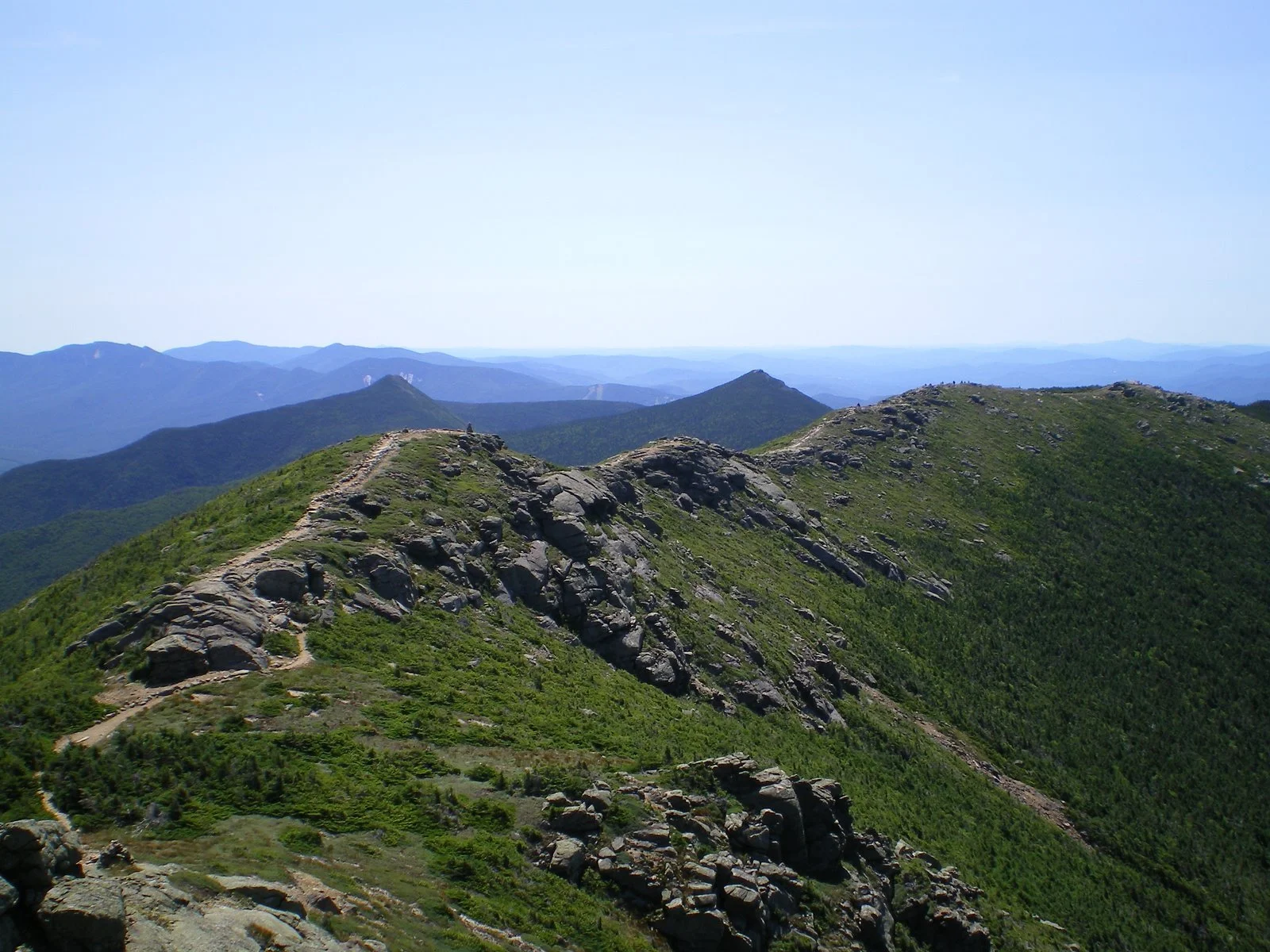
Lafayette. That was the name of the mountain I climbed the summer I turned 40.
My original plan was to hike the Inca Trail as a part of a fundraising excursion through the Arthritis Society.
Alas, the goal was too ambitious. So, I pivoted. By that time in my life, changing plans had become easier. And in the end, I raised $7,000 for the charity, and I climbed Mount Lafayette in New Hampshire instead. Mount Lafayette is part of the White Mountains and reaches 5,249 feet at its peak, making it the 6th-highest in the state.
When I think back on it, I think about how life is a bit like climbing that mountain.
We Don’t Make the Decision To Begin; We Just Begin
I didn't know what I was signing up for initially, and if I had seen the trail before I began, I would have doubted my ability and may not have started at all.
If that isn’t just like life, I’m not sure what else is.
Instead of focusing on the entire climb, I just focused on the beginning. Putting one foot in front of the other, dealing with each small obstacle as its own event, without thinking too hard about how many were yet to come.
As the terrain got exceedingly more difficult, all I could focus on then was reaching the peak I could see in front of me. That's it. Just climb to that next highest part. Checking in with myself when I needed to stop and rest, drink some water, and have a snack.
With our guide leading us along, we knew it was going to take 8 or 9 hours. The only two criteria for the climb were:
Reach the top
Don't let the 75-year-old hiker behind us pass. (That last one was a criterion from my 16-year-old son who came to hike with me, along with my twin sister.)
If I had thought too hard about the length of the hike while on it, I would have been too exhausted to take on the whole trek.
Lessons From the Upward Journey
The lessons I learned on that hike were central to how my life would unfold from then on.
Your 40s are like reaching the midway point of the mountain. You’ve come a long way and have taken a few tumbles. Before this point, you were mostly focused on your footing, but now you’re halfway up, and you can see for miles all around you.
When I entered my 40s, I was already working on my counselling degree to become a therapist. Like climbing a mountain, I focused on one course at a time rather than the whole degree. I didn't worry about how much time it was taking; I was just determined to finish.
I learned to stop comparing myself to the timeline society was trying to impose on me. Things were already on a mixed-up timeline, so I stopped fighting against it.
Carl Jung, the Swiss psychiatrist who spent his career studying how people become fully themselves, believed turning 40 was a turning point in life. It may be the first time we look inward to discover who we are and what we want our lives to look like, rather than constantly building our lives on the outside.
The first part of life is about the outer world and reaching the milestones set out for us. We've spent this series so far in that first part: leaving behind the structure of childhood, then spending our 30's chasing the milestones we were handed, without ever being asked if we agreed to them.
The second part of life is more inward-focused and existential. It may be the first time we ask ourselves what we want rather than what is expected of us.
Jung is also famous for working with the shadow, those hidden fears we have about not measuring up, falling short, or suppressed desires.
We have a choice in our 40's: a reckoning of sorts. How we handle our midlife varies for each of us: through crisis, grieving, avoidance, or acceptance.
The classic midlife crisis response is one of avoidance, or we can choose to lean into a dark night of the soul that leads us to living in harmony with who we are.
It's hard work. Like climbing a mountain. It is one step at a time.
Moving Forward Despite Our Grief
The first step is to take stock. We are high enough up the mountain now to stop and look back at the trail behind us, and to see how much further there is to climb.
For some of us, the view confirms we are on the right path, that we can keep climbing and enjoy what is ahead.
For others, the view makes something else clear: we have been climbing the wrong mountain.
Midlife is less about others and more about figuring out what we actually want. Our 40s may be a time when we teeter between the past (regret over what hasn't happened) and the future (planning for what lies ahead).
Grief comes when we realize we're half way through our life (40-45) and we're not living the life we imagined we'd be living, a career that no longer fits (or wasn't our idea to begin with), a marriage we don't want to stay in because it was not right from the beginning, or we have grown too far apart in our life goals and values.
It may be a time when we are experiencing our first brushes with loss. Parents are getting older and may have health concerns or infirmities.
We may not be able to do things the same as before. Climbing a mountain at 16 was a different experience than climbing at 40.
What I learned going through my 40s began on Lafayette Trail and continued throughout the decade. My marriage needed an overhaul, and my retirement plan needed a rewrite. I went through a dark night and came out the other side seeing retirement through a completely different lens, one I could not have imagined before turning 40.
This decade may reshape our idea of the future, whether that is a career, a marriage, or the picture we had of retirement. The trail doesn’t need to be the one we started on, it just needs to be the right one.
What do you want your life to feel like? Do you have dreams of doing things in retirement that you can begin now? Ask yourself: what do I actually want? How can you start shaking off the expectations that no longer serve you and step into yourself?
Exercise: Write Your Perfect Day
Take 15 minutes to write out your perfect day, from start to finish. An ordinary day, but exactly as you would want it to unfold.
Who is there? What does your morning look like? What work, if any, is part of it? What does the evening look like before you fall asleep? Write out every detail.
Once it is written, ask yourself:
What does this day tell you about what you actually value?
What is missing from your current life that shows up in this one?
What is already there, that you have stopped noticing?
Is there one small piece of this day you could build into next week?
Tuck the page away somewhere you will find it again in a year. You may be surprised how often you look back and find yourself already living close to it.
For most of us, the day we just wrote does not look like the day we are actually living. Our 40s come with competing priorities: kids still at home, aging parents, careers, and health. Trying to bridge the gap between where we are and that perfect day is a choice we need to make. To put ourselves first and dedicate ourselves to the parts of life that will bring us closer to living that perfect day, every day.
An Even Higher Mountain Peak
There is a bigger physical transition happening simultaneously alongside all of this for half the population and their partners: perimenopause. It's getting us ready for the big change of life, and we will get into that as its own topic next month.
None of us climb our mountain range alone. On Lafayette, I had a guide who had done the trail before, my sister beside me, and my 16-year-old hustling us ahead of that 75-year-old behind us.
Whatever our 40s ask us to reckon with, and whatever peak comes after it, we were never meant to climb it without someone beside us. We can surround ourselves with other people on the same path. Everything is better with friends.